




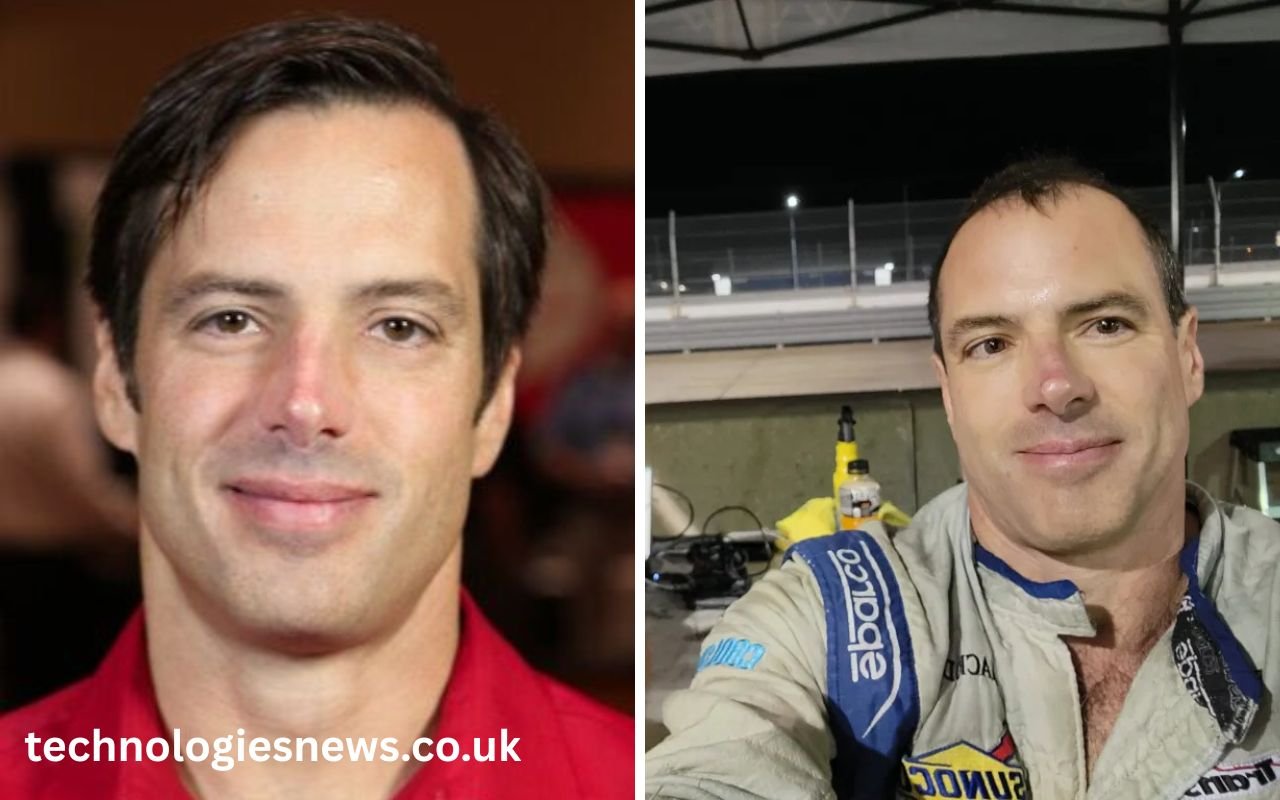
Barry Boes Plane Crash: Full Story, Investigation Details, and Latest Updates
The Barry Boes plane crash became one of the most discussed aviation incidents after reports confirmed that the Tennessee businessman and race car driver died in a tragic aircraft accident in Arkansas. News about the crash spread rapidly across aviation circles, motorsports communities, and online news platforms. Many people searched for details about what happened, where the crash occurred, and whether investigators had identified the cause of the accident.
Barry Boes was widely known for his involvement in racing and business. His sudden death shocked people who followed his motorsports career and those connected to the private aviation industry. As authorities released more information, public attention continued to grow around the circumstances of the crash, the type of aircraft involved, and the difficult rescue operation that followed during the overnight search.
The accident also renewed discussions about private aircraft safety, experimental planes, and the challenges pilots face during long-distance nighttime flights. Aviation experts, race fans, and media outlets all focused on understanding how such a tragic incident could happen to an experienced and successful individual.
Who Was Barry Boes?
Barry Boes was a businessman, pilot, and competitive race car driver from Tennessee. He gained recognition as the CEO of a software company while also building a strong reputation in professional racing events. People who knew him described him as highly driven, ambitious, and passionate about both technology and motorsports. His career reflected a combination of entrepreneurial success and personal dedication to competitive racing.
In the racing world, Barry Boes became especially well known through his participation in the Trans Am racing series. He competed against experienced drivers and earned respect for his determination on the track. Reports surrounding his death mentioned that he had recently celebrated a major racing victory, which made the tragedy even more heartbreaking for fans and fellow competitors.
Outside of racing and business, aviation was another major part of his life. Like many private pilots, he enjoyed flying long distances and operating high-performance aircraft. Friends and aviation enthusiasts often viewed him as someone who embraced challenges and valued precision, skill, and discipline in everything he pursued.
Details About the Plane Crash
The Barry Boes plane crash happened near Bradley, Arkansas, in a remote wooded region of Lafayette County. Authorities received reports of a possible aircraft emergency during the evening hours, which immediately triggered a search operation involving local emergency teams and aviation officials. Due to the heavily forested terrain and darkness, locating the wreckage became extremely difficult.
Search crews continued working throughout the night before an Arkansas State Police helicopter eventually spotted the crash site several hours later. Emergency responders reached the area in the early morning hours and confirmed that Barry Boes had died at the scene. Reports indicated that he was the only person onboard the aircraft at the time of the accident.
The flight reportedly began in Texas and was headed toward Tennessee before communication problems and radar concerns raised alarm among authorities. News coverage quickly spread nationwide because of Barry Boes’ public profile and the dramatic circumstances surrounding the search operation. The combination of aviation tragedy, motorsports fame, and unanswered questions caused intense public interest.
The Aircraft Involved in the Accident
The aircraft involved in the crash was identified as a Lancair Super Barracuda, a high-performance experimental airplane known among aviation enthusiasts for its speed and advanced design. Experimental aircraft are popular with experienced pilots because they offer impressive performance and customization features that are not always available in traditional factory-built planes.
The Lancair Super Barracuda is designed for efficiency and fast cross-country travel. However, aviation experts often explain that these aircraft require advanced piloting skills and careful operational management. High-performance planes can become challenging during bad weather, nighttime flying, or emergency situations, especially when pilots are covering long distances.
Following the crash, many online discussions focused on the safety of experimental aircraft and whether the type of plane itself may have played a role in the accident. While investigators had not immediately released official findings, the aircraft’s performance capabilities became a major topic in aviation forums and media reports related to the Barry Boes plane crash investigation.
Investigation Into the Crash
After the crash was confirmed, the Federal Aviation Administration and the National Transportation Safety Board launched an official investigation. These agencies are responsible for analyzing aviation accidents across the United States to determine probable causes and identify possible safety recommendations. Investigators typically examine aircraft wreckage, flight records, weather conditions, pilot certifications, and maintenance history.
Authorities began collecting evidence from the crash site shortly after emergency crews secured the area. Aviation investigators carefully inspected debris patterns, engine components, navigation systems, and communication records connected to the flight. Such investigations can take several months because officials must reconstruct the sequence of events leading up to the accident.
At the time of early reports, officials had not confirmed a final cause of the crash. However, investigators were believed to be reviewing several possible contributing factors, including weather conditions, visibility challenges, and technical concerns. Public interest remained high as people waited for updates from federal aviation authorities regarding the findings.
Weather Conditions and Flight Challenges
Weather conditions are often an important factor in private aircraft accidents, especially during nighttime operations. Pilots flying smaller aircraft can encounter rapidly changing conditions that create serious risks during long cross-country flights. Storm activity, turbulence, low visibility, and heavy cloud cover can all increase pressure on pilots while navigating remote regions.
Reports connected to the Barry Boes plane crash suggested that investigators were examining weather conditions along the aircraft’s route. Some aviation observers speculated that difficult weather may have created challenging flying conditions during part of the trip. Although no official determination had been released, weather became one of the most discussed aspects of the accident.
Nighttime flying itself presents additional challenges for pilots. Remote wooded areas provide very limited visual references, making navigation more difficult compared to flying over cities or populated areas. Experienced pilots are trained to manage these situations, but aviation experts often note that even skilled aviators can face dangerous circumstances when multiple risk factors combine during a flight.
Public Reaction to the Tragedy
News of Barry Boes’ death generated strong reactions across social media, racing communities, and aviation networks. Fans, fellow racers, business associates, and friends shared messages of support and remembrance after learning about the tragedy. Many described him as a hardworking competitor who approached every challenge with passion and determination.
The motorsports community especially felt the impact of the loss because Barry Boes had recently achieved racing success. Tributes from fellow drivers and racing organizations highlighted his commitment to improving his performance and contributing positively to the racing environment. His sudden passing left many people shocked because he remained active in both racing and business.
Aviation enthusiasts also followed the story closely because it involved a private pilot operating a high-performance experimental aircraft. Online discussions often centered around flight safety, pilot experience, and the risks associated with private aviation. The combination of personal tragedy and aviation mystery kept public attention focused on the incident for weeks after the crash.
Aviation Safety Discussions After the Crash
The Barry Boes plane crash renewed broader conversations about aviation safety and private aircraft operations in the United States. While commercial airline travel remains extremely safe, accidents involving small private aircraft continue to occur more frequently due to weather exposure, pilot workload, and operational complexity. Aviation experts frequently stress the importance of preparation and continuous training.
Experimental aircraft safety became another major topic after the accident. Pilots who operate high-performance planes often require specialized experience because these aircraft can respond differently compared to standard training airplanes. Aviation analysts noted that powerful experimental aircraft demand careful handling, especially during nighttime flights or poor weather conditions.
Many safety advocates used the incident as an opportunity to remind private pilots about risk management. Topics such as weather planning, fuel management, flight route preparation, and emergency procedures became part of the broader public discussion. The tragedy highlighted how quickly conditions can change during private flights and why aviation safety remains a constant priority.
Why the Story Received National Attention
Several factors contributed to the widespread media attention surrounding the Barry Boes plane crash. One major reason was his public profile as both a businessman and race car driver. Stories involving well-known individuals often attract larger audiences, especially when connected to unexpected tragedies and ongoing investigations.
The dramatic overnight search operation also increased public interest. Reports describing helicopters searching through remote wooded terrain added emotional intensity to the story. People closely followed updates as authorities worked to locate the aircraft and confirm the identity of the pilot involved in the crash.
Online search trends showed massive interest in topics related to the incident. Many users searched terms connected to the Arkansas plane crash, Barry Boes racing career, aircraft details, and investigation updates. The story gained further momentum because it involved multiple industries including aviation, business, and motorsports, creating attention from diverse audiences nationwide.
Legacy of Barry Boes
Read More: Vikesh Patel: A Rising Name in Software Development and Digital Innovation
Although Barry Boes died tragically, many people continue to remember him for his achievements and passion for competition. His work in the software industry demonstrated his business leadership, while his success in racing reflected his determination and willingness to pursue difficult goals. Friends and colleagues often described him as energetic, disciplined, and deeply motivated.
His involvement in aviation also reflected a personal commitment to learning and adventure. Like many pilots, he viewed flying as both a skill and a passion. The tragedy surrounding the crash reminded many people about the unpredictable risks associated with private aviation and the importance of safety awareness within the flying community.
As the investigation continues, Barry Boes remains remembered by many for the impact he made across different areas of life. Whether through business, racing, or aviation, he built a reputation for dedication and ambition. The story of the Barry Boes plane crash continues to draw attention not only because of the tragedy itself, but also because of the life and accomplishments connected to it.