




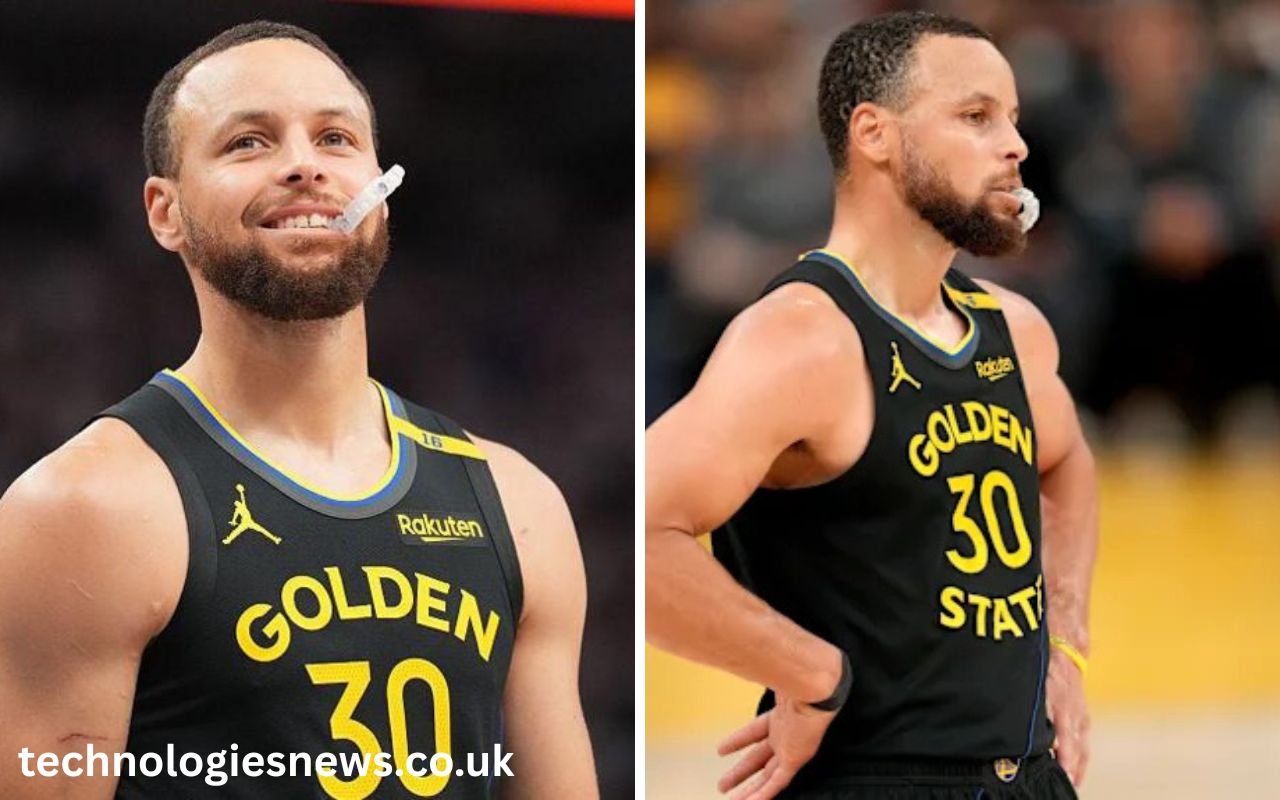
steph curry injury:Stephen Curry Injury Update 2026: Recovery, Impact, and What It Means for His Future
steph curry injury The 2026 NBA season has been significantly shaped by the injury status of Stephen Curry, one of basketball’s most influential players. Curry, the face of the Golden State Warriors, suffered a right knee condition diagnosed as patellofemoral pain syndrome, commonly known as “runner’s knee.” This type of injury typically causes pain around the kneecap due to overuse, making it particularly challenging for elite athletes who rely heavily on agility and constant movement.
The injury forced Curry to miss a significant stretch of games, including more than 20 consecutive appearances at one point during the season. Reports indicate that he had not played since late January 2026, highlighting the seriousness of the issue and the cautious approach taken by the Warriors’ medical staff. This absence not only impacted his personal performance but also affected the team’s overall competitiveness.
Understanding the nature of Curry’s injury is essential for fans and analysts alike. Knee injuries, especially those involving the patella, can linger and require careful rehabilitation. In Curry’s case, the Warriors prioritized long-term health over short-term gains, a decision that shaped both his recovery timeline and the team’s season trajectory.
What Is Patellofemoral Pain Syndrome?
Patellofemoral pain syndrome, often referred to as runner’s knee, is a common overuse injury among athletes. It occurs when the cartilage under the kneecap becomes irritated due to repetitive stress. For a player like Stephen Curry, whose game relies on quick cuts, sharp turns, and explosive shooting mechanics, this condition can be particularly limiting.
The symptoms usually include pain around the front of the knee, especially during activities like running, jumping, or climbing stairs. In Curry’s case, the condition was severe enough to sideline him for weeks, indicating a need for extended rest and rehabilitation. Medical experts often recommend a combination of rest, physical therapy, and gradual return to activity to avoid further damage.
This type of injury is not uncommon in the NBA, but its impact varies depending on the player’s style of play. For Curry, whose off-ball movement is one of his greatest strengths, even minor discomfort can significantly affect performance. That is why the Warriors adopted a cautious recovery plan, ensuring he regained full strength before returning to competitive play.
Timeline of Steph Curry’s Injury and Recovery
Stephen Curry’s injury timeline in 2026 reflects a gradual and carefully managed recovery process. Initially, he was ruled out for at least 10 days, but the timeline extended as the team monitored his progress. Reports confirmed that he missed multiple games and underwent regular re-evaluations to assess healing.
As weeks passed, Curry remained sidelined, eventually missing over 25 consecutive games. During this period, he progressed from rest to light workouts and eventually to more intense on-court activities. However, he was not cleared for full scrimmage immediately, highlighting the cautious approach taken by the Warriors.
The turning point came when Curry participated in full 5-on-5 scrimmages, a key milestone in his recovery. This step indicated that his knee was responding well to rehabilitation and that a return to competitive action was imminent. Shortly after, he was expected to return to the lineup following a two-month absence, marking a significant moment in the season.
Latest Steph Curry Injury Update (2026)
The most recent updates suggest that Stephen Curry is nearing full recovery and has already taken major steps toward returning to the court. After weeks of rehabilitation, he has been cleared for scrimmage and is expected to rejoin the lineup soon. This marks a positive development for both the player and the Warriors.
Despite this progress, the team has implemented restrictions to manage his workload. For example, Curry has been placed on a minutes restriction in critical games, ensuring that his knee is not overworked during the early stages of his return. This approach reflects modern sports medicine practices, which emphasize gradual reintegration rather than immediate full participation.
Overall, the latest news indicates cautious optimism. While Curry is close to full fitness, the Warriors remain focused on preserving his long-term health. This strategy is especially important given his age and the physical demands of professional basketball.
Impact of Curry’s Injury on the Golden State Warriors
The absence of Stephen Curry had a noticeable impact on the Golden State Warriors’ performance during the 2026 season. Without their star player, the team struggled to maintain consistency, experiencing a significant drop in wins and offensive efficiency. Reports show that the Warriors recorded a losing record during his absence, underscoring his importance to the team.
Curry’s unique playing style, characterized by elite shooting and off-ball movement, makes him irreplaceable. His absence forced the team to adjust its strategy, relying more on other players to fill the scoring gap. However, replicating Curry’s impact proved difficult, leading to challenges in maintaining competitiveness.
Beyond statistics, Curry’s leadership also plays a crucial role in the team’s success. His presence on the court boosts morale and provides stability, especially in high-pressure situations. This intangible impact became evident during his absence, as the Warriors struggled to maintain cohesion and confidence.
How the Warriors Managed His Recovery
The Golden State Warriors adopted a highly cautious and structured approach to managing Stephen Curry’s injury. From the outset, the team prioritized long-term health over immediate results, ensuring that Curry received comprehensive medical care and rehabilitation.
The recovery process included multiple stages, starting with rest and progressing to light physical activity. As Curry’s condition improved, he gradually increased his workload, eventually participating in scrimmages. This step-by-step approach minimized the risk of re-injury and allowed for continuous monitoring of his progress.
Additionally, the team implemented strict guidelines for his return, including minutes restrictions and regular evaluations. This strategy reflects a broader trend in professional sports, where player health is prioritized to extend careers and maintain peak performance. For Curry, this careful management is essential to sustaining his elite level of play.
Risks and Concerns Around Knee Injuries in Basketball
Knee injuries are among the most concerning issues for basketball players, given the sport’s high-impact nature. For players like Stephen Curry, who rely on speed, agility, and precision, even minor knee problems can have significant consequences.
One of the primary concerns with patellofemoral pain syndrome is its tendency to recur if not properly managed. Overuse or premature return to play can exacerbate the condition, leading to prolonged recovery periods. This risk underscores the importance of a cautious approach, as seen in Curry’s case.
Another concern is the long-term impact on performance. While many players recover fully, some may experience lingering discomfort or reduced mobility. For a player of Curry’s caliber, maintaining peak physical condition is crucial, making his recovery process all the more important.
Steph Curry’s Return and Performance Expectations
As Stephen Curry returns to the court, expectations are naturally high. Fans and analysts alike are eager to see whether he can quickly regain his form and lead the Warriors back to success. Early indications suggest that he remains highly motivated and committed to performing at an elite level.
However, it is important to recognize that returning from injury often involves an adjustment period. Players may need time to regain rhythm, confidence, and full physical capacity. In Curry’s case, the minutes restriction and gradual increase in workload are designed to facilitate this transition.
Despite these challenges, Curry’s track record suggests that he is capable of overcoming adversity. His dedication to training and his experience in handling injuries position him well for a successful comeback. As the season progresses, his performance will be closely monitored to assess his recovery and impact.
Historical Context: Curry’s Previous Injuries
Stephen Curry’s career has not been without injury challenges. Earlier in his career, he dealt with recurring ankle issues that raised concerns about his durability. However, through rigorous training and medical support, he managed to overcome these challenges and establish himself as one of the greatest players in NBA history.
The 2026 knee injury adds another chapter to his injury history, highlighting the physical demands of a long and successful career. Unlike his earlier ankle problems, this knee issue represents a different type of challenge, requiring a tailored approach to recovery.
Understanding Curry’s injury history provides valuable context for evaluating his current situation. His ability to bounce back from past setbacks offers reassurance that he can navigate this latest challenge successfully. It also underscores the importance of proper injury management in extending a player’s career.
Read More: Olivia Munn Bikini Style: Fashion, Confidence, and Celebrity Influence Explained
What This Means for the Future of Steph Curry
Looking ahead, Stephen Curry’s injury raises important questions about his long-term future. While he remains one of the NBA’s top players, managing his health will be crucial in maintaining his performance and longevity.
The Warriors’ cautious approach suggests a commitment to preserving Curry’s career rather than pushing for short-term gains. This strategy is likely to benefit both the player and the team, ensuring that he remains a key contributor in the years to come.
Ultimately, Curry’s resilience and dedication will play a significant role in shaping his future. If his recovery continues as expected, there is every reason to believe that he will remain a dominant force in the NBA. His journey serves as a reminder of the challenges faced by elite athletes and the importance of perseverance in overcoming them.