




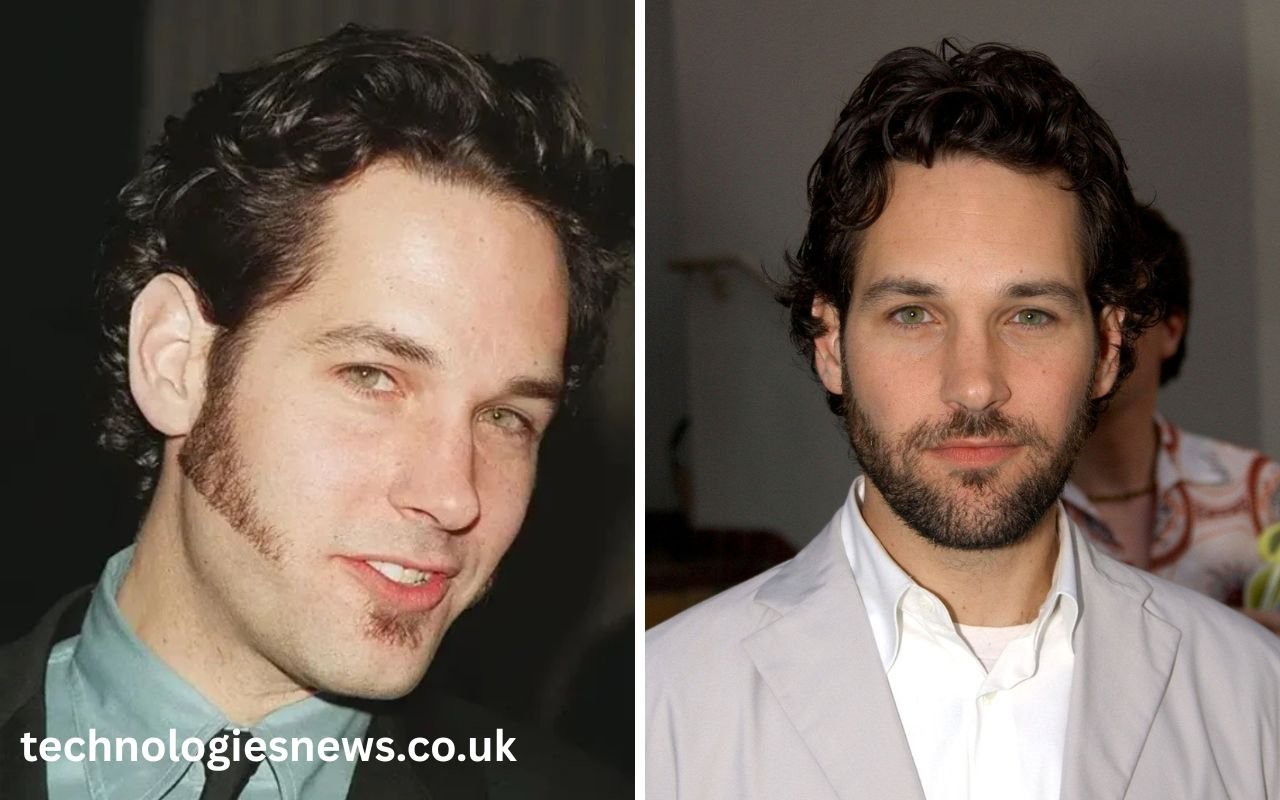
The Truth Behind the “Paul Rudd Burn” Viral Incident: What Really Happened and Why It Matters
The phrase “Paul Rudd burn” gained widespread attention online after a dramatic video appeared to show actor Paul Rudd suffering severe facial burns. The clip circulated rapidly across platforms like TikTok, Instagram, and Twitter, triggering concern among fans who believed the beloved Hollywood star had been seriously injured. In the footage, Rudd appears to be in pain, with people rushing to help him before he is taken away in an ambulance.
At first glance, the scene looked convincing. Many viewers assumed it was a real accident involving hot liquid, possibly coffee, causing burns during a live recording or casual event. The emotional reaction from viewers was immediate, with thousands sharing the clip and expressing worry. However, the reality behind the viral “burn incident” is far less alarming and much more humorous than it initially appeared.
The Truth Behind the Viral Burn Incident
The so-called “Paul Rudd burn” incident was not real. It was part of a staged comedic bit created for entertainment purposes. According to reports, the video originated from a podcast recording where a scripted scenario involved hot coffee being spilled on Rudd’s face, leading to exaggerated reactions and a fake emergency response.
This staged performance was designed to look authentic, which is why so many viewers were fooled. The creators used realistic acting, props, and even an ambulance scene to heighten the illusion. While it sparked genuine concern, the full context reveals that it was a planned comedic segment rather than a real injury.
Why the Video Fooled So Many People
One of the main reasons the video went viral is its realism. The acting was convincing, and the scenario—a hot liquid burn—felt plausible. In addition, the video was shared in short, out-of-context clips, which removed any hints that it was scripted. Without background information, viewers naturally assumed it was a genuine accident.
Social media algorithms also played a major role in amplifying the confusion. Content that evokes strong emotional reactions, such as fear or concern, tends to spread quickly. As more people shared the clip without verifying it, the misinformation snowballed, turning a harmless prank into a widely believed rumor.
The Role of Comedy and Pranks in Celebrity Culture
Celebrities like Paul Rudd are no strangers to participating in comedic sketches and pranks. Rudd, known for his humor and charm, has built a career that often blends comedy with improvisation. From films to interviews, he frequently engages in playful antics that resonate with audiences.
In this case, the staged burn incident fits into a broader trend of viral comedy content. Podcasts and digital creators increasingly rely on shocking or unexpected scenarios to capture attention. While these pranks can be entertaining, they also blur the line between fiction and reality, especially when presented without context.
Paul Rudd’s Career and Public Image
Understanding why the “Paul Rudd burn” story gained traction also requires looking at his public image. Paul Rudd is widely regarded as one of Hollywood’s most likable and relatable actors. With a career spanning decades, he has appeared in major films like Clueless, Anchorman, and the Marvel Cinematic Universe as Ant-Man.
His reputation as a friendly, down-to-earth celebrity makes fans feel personally connected to him. As a result, any news suggesting he was injured triggered a strong emotional response. This connection between celebrity and audience is a key factor in how quickly such stories spread online.
The Impact of Viral Misinformation
The “Paul Rudd burn” incident highlights a broader issue: the rapid spread of misinformation on social media. When videos are shared without verification, they can easily mislead millions of people. In this case, a harmless prank turned into a global rumor about a serious injury.
Misinformation can have real consequences, including unnecessary panic and damage to reputations. It also raises questions about how content is consumed and shared in the digital age. Viewers are often encouraged to react quickly rather than critically evaluate what they see.
How to Identify Fake Celebrity News
The viral burn story serves as a reminder to approach sensational content with caution. One key indicator of fake news is a lack of credible sources. If a major incident involving a celebrity were real, it would likely be reported by established news outlets, not just social media posts.
Another important factor is context. Short clips can be misleading, especially when they omit crucial details. Watching full videos or checking the original source can often reveal whether something is staged or genuine. In the case of the Paul Rudd video, the full podcast episode clearly shows it was scripted.
The Role of Podcasts and Digital Media
Podcasts and online shows have become powerful platforms for entertainment, often pushing creative boundaries to stand out. The staged burn incident was part of this evolving media landscape, where creators experiment with storytelling techniques that mimic real-life events.
While this approach can be engaging, it also comes with risks. When content appears too realistic, it can be mistaken for actual news. This creates a responsibility for creators to balance entertainment with clarity, ensuring audiences understand what is fictional.
Fan Reactions and Social Media Buzz
The reaction to the “Paul Rudd burn” video was intense and immediate. Fans flooded comment sections with messages of concern, while others attempted to verify the authenticity of the clip. The mix of panic and curiosity fueled the video’s viral spread.
Interestingly, once the truth emerged, many viewers found the situation amusing rather than upsetting. The shift from concern to relief highlights how quickly public perception can change when accurate information becomes available. It also shows the power of transparency in resolving viral misunderstandings.
Lessons Learned from the Paul Rudd Burn Story
The “Paul Rudd burn” incident ultimately serves as a case study in modern digital culture. It demonstrates how easily misinformation can spread, especially when combined with emotional storytelling and realistic visuals. At the same time, it underscores the importance of media literacy and critical thinking.
For fans and internet users, the key takeaway is simple: verify before sharing. While viral content can be entertaining, not everything online is what it seems. By taking a moment to check the facts, audiences can help prevent the spread of false information and ensure a more informed digital environment.