



Charles Shaffer: The Accomplished Figures Behind a Multifaceted Name
The name Charles Shaffer has been carried by several distinguished individuals across vastly different fields, leaving unique marks on American history, law, medicine, and even high fashion. Unlike a single celebrity name tied to one specific industry, the legacy of the various Charles Shaffers is found in courtrooms, laboratories, hospitals, and universities. From defending key figures in the Watergate scandal to advancing the science of toxicology and treating modern psychiatric patients, each Charles Shaffer has contributed something meaningful to society. Understanding these individuals requires looking at their separate yet equally fascinating journeys through the twentieth and twenty-first centuries.
One of the most famous among them was Charles N. Shaffer Jr., a brilliant litigator whose strategic defense of John Dean helped unravel the Watergate conspiracy and force President Richard Nixon from office. Another Charles Shaffer, working in complete anonymity compared to the lawyer, was a pioneer in toxicology who helped establish the Society of Toxicology and advanced industrial safety standards. In the world of fashion and celebrity, Charles Shaffer is known today as the only son of Vogue editor in chief Anna Wintour, a successful psychiatrist carrying on the family tradition of excellence in a completely different field. Adding to this list are civic leaders, academic presidents, and philanthropists, all sharing the same name but pursuing entirely different paths.
This article will explore the lives and achievements of the most notable individuals named Charles Shaffer, including the Watergate lawyer, the toxicology pioneer, the Atlanta civic leader, and the younger psychiatrist. By examining their distinct contributions, we can appreciate how a single name can appear across generations and professions, each bearer adding his own chapter to the story. The article will also highlight the challenges faced by researchers and genealogists trying to distinguish between these figures, as the overlapping names and time periods can create confusion for those studying American professional history.
Charles N. Shaffer Jr.: The Watergate Lawyer Who Helped Bring Down a President
Charles N. Shaffer Jr. was born on June 8, 1932, in Westchester County, New York, into a family with legal roots, as his father was also a lawyer. He graduated from Fordham College and Fordham University School of Law, quickly establishing himself as a fastidious and theatrical litigator. His early career included work as an assistant United States attorney in the Southern District of New York and service on the staff of the Warren Commission, which investigated the assassination of President John F. Kennedy. In 1964, Shaffer served on a special Justice Department team headed by James F. Neal that successfully prosecuted Teamsters president James R. Hoffa for jury tampering, marking the first time Hoffa was convicted after seven years of criminal proceedings.
Shaffer became a national figure during the Watergate scandal when he was hired by White House counsel John W. Dean III. Dean had broken ranks with the Nixon administration, telling the president that the Watergate cover up was a cancer on the presidency. Shaffer, a Kennedy Democrat who had never visited the White House, met Dean through a duck hunting expedition on Maryland’s Eastern Shore. When Dean laid bare Nixon’s complicity in illegal wiretaps, mail openings, and break ins, Shaffer was so mesmerized that he did not notice his cigar had gone out. After hearing Dean’s account, Shaffer stood up and declared that the president was a goddamn criminal, a statement that would prove prophetic.
Shaffer negotiated Dean’s agreement to plead guilty to obstruction of justice in 1973, insisting that Dean testify before the Senate only if granted limited immunity. Though the special prosecutor ultimately required Dean to serve four months in prison, Shaffer’s legal strategy was later validated when similar immunity deals were used in the Iran Contra affair. Richard Ben Veniste, a leading Watergate prosecutor, later stated that Dean was the best prepared witness he had ever seen in over forty years of practicing law, and that Charlie Shaffer had a great deal to do with that preparation. Shaffer died on March 15, 2015, at his home in Woodbine, Maryland, at the age of eighty two.
Dr. C. Boyd Shaffer: A Pioneer in the Field of Toxicology
A completely different Charles Shaffer made his mark not in the courtroom but in the laboratory. C. Boyd Shaffer, who earned a Ph.D. in biology from Princeton in 1941, became a true pioneer in the science of toxicology, which deals with the effects, antidotes, and detection of poisons. He was one of the founders of the Society of Toxicology in 1961 and served as its second president from 1962 to 1963. After graduating from Lebanon Valley College in 1938, Shaffer completed his doctoral work at Princeton, where his adviser, Professor Wilbur Swingle, suggested he write on the emerging field of toxicology because Shaffer did not initially have a subject for his dissertation.
From 1941 to 1952, Shaffer worked at the Mellon Institute, which later became part of Carnegie Mellon University. In 1953, he became the director of toxicology at American Cyanamid Corporation, a position he held until his retirement in 1980. In this role, he was in charge of all testing except for the drug division, making him responsible for ensuring the safety of countless chemical products used in industry and consumer goods. His work was critically important in an era when industrial safety standards were still being developed, and his research helped establish protocols that protected workers and consumers from hazardous substances.
Shaffer had been a sustaining member of the Association of Princeton Graduate Alumni since 1986. He was predeceased in 2002 by Louise, his wife of sixty years, and survived by two sons, four grandchildren, and three great grandchildren. He died on October 4, 2011, at the age of ninety four. While his name never appeared in headlines like his legal counterpart, Shaffer’s contributions to toxicology helped build the scientific foundation for modern chemical safety regulations and occupational health standards.
Charles Milton Shaffer: The Father of University Development at UNC
Charles Milton Shaffer, born in Greensboro, North Carolina, on December 14, 1913, devoted much of his life to helping the University of North Carolina at Chapel Hill grow and thrive. As a student at Carolina, he was a varsity football player and an All Southern selection in 1934, demonstrating the athletic prowess that would characterize many Charles Shaffers across generations. He met his wife, Charlotte Blanton Winborne, at UNC, and they were married for sixty four years, raising a family that would continue the Shaffer legacy at the university. After graduation, Shaffer worked as a textile executive for Burlington Mills before returning to Chapel Hill in 1952.
When Shaffer returned to UNC, he was appointed as the university’s first director of development, essentially a one man fund raising office for many years. He held this position for twenty nine years, presiding over the university’s first comprehensive capital campaign, the Carolina Challenge, from 1977 to 1980. As director, Shaffer located critical sources of financial support and encouraged alumni to donate to the university, building the infrastructure for modern university advancement that would be replicated at institutions across the country. His wife, Charlotte, helped by hosting events in their home, and the Shaffers later made personal donations to benefit the North Carolina Collection in Wilson Library.
Upon his selection as one of the first two William R. Davie Award recipients in 1984, UNC Trustees Chair George Ragsdale stated that one cannot measure the worth of his work, noting that it was not merely the amount of money he raised, the buildings he helped build, or the programs he helped fund. Like Frank Graham, Billy Carmichael, and Bill Friday, Charlie Shaffer, by the great personal qualities exhibited in his daily life, was able to draw men and women to the university because of what he was as well as what he did. He was voted Chapel Hill’s Citizen of the Year in 1966 and served on numerous boards before his death in Winston Salem on July 12, 2004, at the age of ninety.
Charles Milton Shaffer Jr.: Atlanta Civic Leader and Advocate for Alzheimer’s Awareness
Following in his father’s footsteps, Charles Milton Shaffer Jr. was born in Durham, North Carolina, on December 21, 1941, and grew up in Chapel Hill. He attended Woodberry Forest School in Virginia, where he was a prefect, co captain of the football team, and captain of both the basketball and tennis teams. Highly recruited as a football quarterback, he was awarded the Morehead Scholarship to the University of North Carolina at Chapel Hill, where he graduated Phi Beta Kappa and was elected class president for both his junior and senior years. Despite a knee injury that ended his football career, he became co captain of the varsity basketball and tennis teams, playing during Coach Dean Smith’s first three basketball seasons.
After graduating from UNC School of Law in 1967, Shaffer joined the Atlanta law firm of King and Spalding, where he enjoyed a thirty five year career as a trial lawyer, eventually becoming Chairman of both its Litigation Department and its hiring committee. He was a member of the American College of Trial Lawyers and served as president of the Atlanta Bar Association. Beyond his legal career, Shaffer was one of the Atlanta Nine, a group of top civic leaders who helped the city win its bid to host the 1996 Summer Olympic Games. He also chaired the Atlanta Sports Council, which attracted the Super Bowl to Atlanta in 2000.
In a courageous move, Shaffer went public with his diagnosis of Mild Cognitive Impairment, a precursor to Alzheimer’s disease, becoming a spokesperson for early detection and research. Along with his wife Harriet, he organized A Family Affair, an annual event whose proceeds benefit Emory University’s Alzheimer’s Disease Research Center. By 2012, the event had generated nearly one million dollars for the center. Shaffer’s openness about his diagnosis helped raise awareness and acceptance of a disease that affects over six million Americans. He died on March 18, 2021, after battling Alzheimer’s, leaving behind his wife of fifty six years, three children, and nine grandchildren.
Dr. Charles Shaffer: Anna Wintour’s Son and Accomplished Psychiatrist
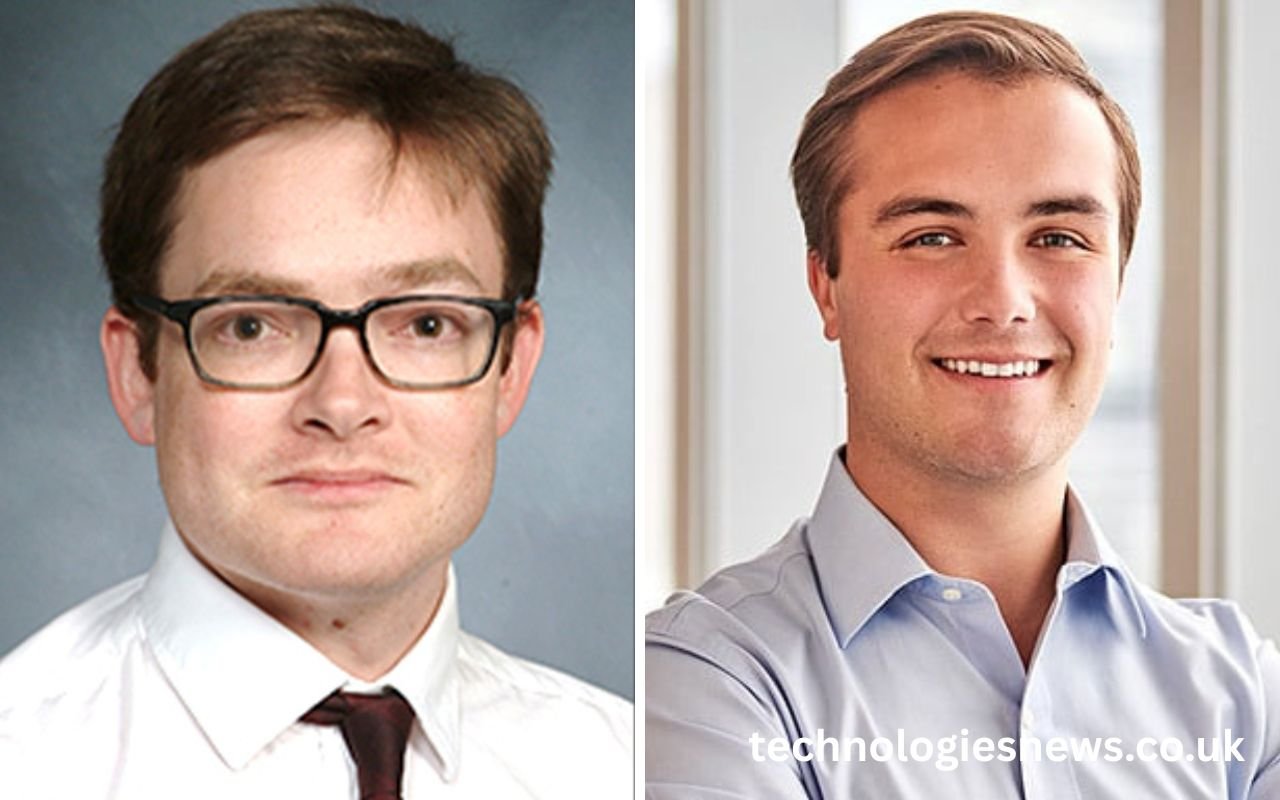
A more contemporary Charles Shaffer was born in 1985 to Vogue editor in chief Anna Wintour and her then husband, psychiatrist David Shaffer. Unlike many children of celebrities who pursue fame in entertainment or fashion, Charles Shaffer chose a completely different path, dedicating himself to medicine and mental health. He earned an undergraduate degree in Modern History at Magdalen College at the University of Oxford in England, demonstrating an early interest in understanding human behavior from a historical perspective. He then returned to New York and enrolled at Columbia University, where he completed a postbaccalaureate premedical program before entering the university’s College of Physicians and Surgeons.
After earning his medical degree, Shaffer served his residency and ascended to Chief Resident at Weill Cornell Medicine, earning himself the APA Resident Recognition Award for his outstanding performance. Today, he is an Assistant Professor of Clinical Psychiatry and an Attending Psychiatrist at Weill Cornell, specializing in Adult Psychiatry. He is trained to diagnose and treat a wide range of mental illnesses, including anxiety and depression, bipolar disorder, obsessive compulsive disorder, and other psychiatric conditions. His practice is open to receiving new patients, and he has built a reputation as a compassionate and skilled clinician working on the front lines of the mental health crisis.
During the COVID-19 pandemic, Shaffer fell seriously ill and was forced to self quarantine, prompting his mother to speak publicly about her gratitude for healthcare workers. In a Vogue Instagram video, Anna Wintour stated that she was so proud of her son and so grateful to all the health workers, first responders, nurses, and doctors who were fighting to reduce the spread of the virus and save lives. Shaffer married his college sweetheart, Elizabeth Cordry, in 2014 at his mother’s home in Mastic Beach, Long Island, with designer Oscar de la Renta designing Cordry’s wedding dress. The couple has two daughters, Caroline and Ella, and Shaffer continues to practice psychiatry in New York City.
Historical Figures Named Charles Schaffer in Academia and Science
The name Charles Schaffer, with a slightly different spelling, also appears in the annals of American scientific and academic history. Charles A. Schaffer was born August 14, 1843, at Harrisburg, Pennsylvania, and graduated from the University of Pennsylvania in 1861 at the young age of eighteen. He served in the Civil War, enlisting in Landis’ Philadelphia Light Brigade and distinguishing himself for gallant conduct in a skirmish at Carlisle. After the war, he studied at Harvard’s Lawrence Scientific School and later went abroad for advanced study in chemistry at Gottingen, where he received his Ph.D. in 1868. He became a professor at Cornell University at the age of twenty six and later served as president of the Iowa State University, working tirelessly for a large endowment for the university until his death in 1898.
Another historical Charles Schaffer, born in Philadelphia on February 4, 1838, pursued a dual career as a physician and botanist. He graduated in medicine from the University of Pennsylvania in 1859 and served in the Chester Military Hospital during the Civil War. His true passion, however, was botany, and he extended his collecting trips to the Selkirk Mountains of British Columbia, amassing a large collection of photographs and plants of that region. He married Mary Townsend Sharples, who became his companion on his explorations and reproduced the rarer plants in watercolor and photography. After Schaffer’s death in 1903, these illustrations were published under the title Alpine Flora of the Canadian Rocky Mountains, preserving his botanical legacy for future generations.
These historical figures demonstrate that the name Charles Schaffer has been associated with academic leadership, scientific exploration, and medical practice for well over a century. From the presidency of a state university to botanical expeditions in the Canadian Rockies, each generation produced individuals who advanced knowledge in their chosen fields. While they are often confused with their more famous contemporaries, these earlier Charles Schaffers played important roles in the development of American higher education and natural science.
Distinguishing Between the Many Charles Shaffers
Given the number of accomplished individuals named Charles Shaffer or Charles Schaffer spanning from the 1840s to the present day, it is easy to understand why researchers and casual readers alike might confuse them. The Charles Shaffer who defended John Dean during Watergate was born in 1932 and died in 2015, making him a contemporary of the Charles Milton Shaffer Jr. who helped bring the Olympics to Atlanta. However, these were two completely different people with different family backgrounds, careers, and life trajectories. One was a New York lawyer who specialized in criminal defense, while the other was an Atlanta civil litigator and civic leader.
Adding to the potential confusion, Charles Milton Shaffer Jr. had a son named Charles Milton Shaffer III, continuing the family name into yet another generation. This Charles Shaffer III, born later, works in business rather than law or medicine. Meanwhile, Dr. Charles Shaffer, the psychiatrist son of Anna Wintour, carries no middle name and works in an entirely different city and professional context. The earlier Charles Schaffer, the botanist and physician, spelled his name with an alternate spelling that further complicates genealogical research.
Introduction to the Various Faces of Charles Shaffer
The name Charles Shaffer has been carried by several distinguished individuals across vastly different fields, leaving unique marks on American history, law, medicine, and even high fashion. Unlike a single celebrity name tied to one specific industry, the legacy of the various Charles Shaffers is found in courtrooms, laboratories, hospitals, and universities. From defending key figures in the Watergate scandal to advancing the science of toxicology and treating modern psychiatric patients, each Charles Shaffer has contributed something meaningful to society. Understanding these individuals requires looking at their separate yet equally fascinating journeys through the twentieth and twenty-first centuries.
One of the most famous among them was Charles N. Shaffer Jr., a brilliant litigator whose strategic defense of John Dean helped unravel the Watergate conspiracy and force President Richard Nixon from office. Another Charles Shaffer, working in complete anonymity compared to the lawyer, was a pioneer in toxicology who helped establish the Society of Toxicology and advanced industrial safety standards. In the world of fashion and celebrity, Charles Shaffer is known today as the only son of Vogue editor in chief Anna Wintour, a successful psychiatrist carrying on the family tradition of excellence in a completely different field. Adding to this list are civic leaders, academic presidents, and philanthropists, all sharing the same name but pursuing entirely different paths.
This article will explore the lives and achievements of the most notable individuals named Charles Shaffer, including the Watergate lawyer, the toxicology pioneer, the Atlanta civic leader, and the younger psychiatrist. By examining their distinct contributions, we can appreciate how a single name can appear across generations and professions, each bearer adding his own chapter to the story. The article will also highlight the challenges faced by researchers and genealogists trying to distinguish between these figures, as the overlapping names and time periods can create confusion for those studying American professional history.
Charles N. Shaffer Jr.: The Watergate Lawyer Who Helped Bring Down a President
Charles N. Shaffer Jr. was born on June 8, 1932, in Westchester County, New York, into a family with legal roots, as his father was also a lawyer. He graduated from Fordham College and Fordham University School of Law, quickly establishing himself as a fastidious and theatrical litigator. His early career included work as an assistant United States attorney in the Southern District of New York and service on the staff of the Warren Commission, which investigated the assassination of President John F. Kennedy. In 1964, Shaffer served on a special Justice Department team headed by James F. Neal that successfully prosecuted Teamsters president James R. Hoffa for jury tampering, marking the first time Hoffa was convicted after seven years of criminal proceedings.
Shaffer became a national figure during the Watergate scandal when he was hired by White House counsel John W. Dean III. Dean had broken ranks with the Nixon administration, telling the president that the Watergate cover up was a cancer on the presidency. Shaffer, a Kennedy Democrat who had never visited the White House, met Dean through a duck hunting expedition on Maryland’s Eastern Shore. When Dean laid bare Nixon’s complicity in illegal wiretaps, mail openings, and break ins, Shaffer was so mesmerized that he did not notice his cigar had gone out. After hearing Dean’s account, Shaffer stood up and declared that the president was a goddamn criminal, a statement that would prove prophetic.
Shaffer negotiated Dean’s agreement to plead guilty to obstruction of justice in 1973, insisting that Dean testify before the Senate only if granted limited immunity. Though the special prosecutor ultimately required Dean to serve four months in prison, Shaffer’s legal strategy was later validated when similar immunity deals were used in the Iran Contra affair. Richard Ben Veniste, a leading Watergate prosecutor, later stated that Dean was the best prepared witness he had ever seen in over forty years of practicing law, and that Charlie Shaffer had a great deal to do with that preparation. Shaffer died on March 15, 2015, at his home in Woodbine, Maryland, at the age of eighty two.
Dr. C. Boyd Shaffer: A Pioneer in the Field of Toxicology
A completely different Charles Shaffer made his mark not in the courtroom but in the laboratory. C. Boyd Shaffer, who earned a Ph.D. in biology from Princeton in 1941, became a true pioneer in the science of toxicology, which deals with the effects, antidotes, and detection of poisons. He was one of the founders of the Society of Toxicology in 1961 and served as its second president from 1962 to 1963. After graduating from Lebanon Valley College in 1938, Shaffer completed his doctoral work at Princeton, where his adviser, Professor Wilbur Swingle, suggested he write on the emerging field of toxicology because Shaffer did not initially have a subject for his dissertation.
From 1941 to 1952, Shaffer worked at the Mellon Institute, which later became part of Carnegie Mellon University. In 1953, he became the director of toxicology at American Cyanamid Corporation, a position he held until his retirement in 1980. In this role, he was in charge of all testing except for the drug division, making him responsible for ensuring the safety of countless chemical products used in industry and consumer goods. His work was critically important in an era when industrial safety standards were still being developed, and his research helped establish protocols that protected workers and consumers from hazardous substances.
Shaffer had been a sustaining member of the Association of Princeton Graduate Alumni since 1986. He was predeceased in 2002 by Louise, his wife of sixty years, and survived by two sons, four grandchildren, and three great grandchildren. He died on October 4, 2011, at the age of ninety four. While his name never appeared in headlines like his legal counterpart, Shaffer’s contributions to toxicology helped build the scientific foundation for modern chemical safety regulations and occupational health standards.
Charles Milton Shaffer: The Father of University Development at UNC
Charles Milton Shaffer, born in Greensboro, North Carolina, on December 14, 1913, devoted much of his life to helping the University of North Carolina at Chapel Hill grow and thrive. As a student at Carolina, he was a varsity football player and an All Southern selection in 1934, demonstrating the athletic prowess that would characterize many Charles Shaffers across generations. He met his wife, Charlotte Blanton Winborne, at UNC, and they were married for sixty four years, raising a family that would continue the Shaffer legacy at the university. After graduation, Shaffer worked as a textile executive for Burlington Mills before returning to Chapel Hill in 1952.
When Shaffer returned to UNC, he was appointed as the university’s first director of development, essentially a one man fund raising office for many years. He held this position for twenty nine years, presiding over the university’s first comprehensive capital campaign, the Carolina Challenge, from 1977 to 1980. As director, Shaffer located critical sources of financial support and encouraged alumni to donate to the university, building the infrastructure for modern university advancement that would be replicated at institutions across the country. His wife, Charlotte, helped by hosting events in their home, and the Shaffers later made personal donations to benefit the North Carolina Collection in Wilson Library.
Upon his selection as one of the first two William R. Davie Award recipients in 1984, UNC Trustees Chair George Ragsdale stated that one cannot measure the worth of his work, noting that it was not merely the amount of money he raised, the buildings he helped build, or the programs he helped fund. Like Frank Graham, Billy Carmichael, and Bill Friday, Charlie Shaffer, by the great personal qualities exhibited in his daily life, was able to draw men and women to the university because of what he was as well as what he did. He was voted Chapel Hill’s Citizen of the Year in 1966 and served on numerous boards before his death in Winston Salem on July 12, 2004, at the age of ninety.
Charles Milton Shaffer Jr.: Atlanta Civic Leader and Advocate for Alzheimer’s Awareness
Following in his father’s footsteps, Charles Milton Shaffer Jr. was born in Durham, North Carolina, on December 21, 1941, and grew up in Chapel Hill. He attended Woodberry Forest School in Virginia, where he was a prefect, co captain of the football team, and captain of both the basketball and tennis teams. Highly recruited as a football quarterback, he was awarded the Morehead Scholarship to the University of North Carolina at Chapel Hill, where he graduated Phi Beta Kappa and was elected class president for both his junior and senior years. Despite a knee injury that ended his football career, he became co captain of the varsity basketball and tennis teams, playing during Coach Dean Smith’s first three basketball seasons.
After graduating from UNC School of Law in 1967, Shaffer joined the Atlanta law firm of King and Spalding, where he enjoyed a thirty five year career as a trial lawyer, eventually becoming Chairman of both its Litigation Department and its hiring committee. He was a member of the American College of Trial Lawyers and served as president of the Atlanta Bar Association. Beyond his legal career, Shaffer was one of the Atlanta Nine, a group of top civic leaders who helped the city win its bid to host the 1996 Summer Olympic Games. He also chaired the Atlanta Sports Council, which attracted the Super Bowl to Atlanta in 2000.
In a courageous move, Shaffer went public with his diagnosis of Mild Cognitive Impairment, a precursor to Alzheimer’s disease, becoming a spokesperson for early detection and research. Along with his wife Harriet, he organized A Family Affair, an annual event whose proceeds benefit Emory University’s Alzheimer’s Disease Research Center. By 2012, the event had generated nearly one million dollars for the center. Shaffer’s openness about his diagnosis helped raise awareness and acceptance of a disease that affects over six million Americans. He died on March 18, 2021, after battling Alzheimer’s, leaving behind his wife of fifty six years, three children, and nine grandchildren.
Dr. Charles Shaffer: Anna Wintour’s Son and Accomplished Psychiatrist
A more contemporary Charles Shaffer was born in 1985 to Vogue editor in chief Anna Wintour and her then husband, psychiatrist David Shaffer. Unlike many children of celebrities who pursue fame in entertainment or fashion, Charles Shaffer chose a completely different path, dedicating himself to medicine and mental health. He earned an undergraduate degree in Modern History at Magdalen College at the University of Oxford in England, demonstrating an early interest in understanding human behavior from a historical perspective. He then returned to New York and enrolled at Columbia University, where he completed a postbaccalaureate premedical program before entering the university’s College of Physicians and Surgeons.
After earning his medical degree, Shaffer served his residency and ascended to Chief Resident at Weill Cornell Medicine, earning himself the APA Resident Recognition Award for his outstanding performance. Today, he is an Assistant Professor of Clinical Psychiatry and an Attending Psychiatrist at Weill Cornell, specializing in Adult Psychiatry. He is trained to diagnose and treat a wide range of mental illnesses, including anxiety and depression, bipolar disorder, obsessive compulsive disorder, and other psychiatric conditions. His practice is open to receiving new patients, and he has built a reputation as a compassionate and skilled clinician working on the front lines of the mental health crisis.
During the COVID-19 pandemic, Shaffer fell seriously ill and was forced to self quarantine, prompting his mother to speak publicly about her gratitude for healthcare workers. In a Vogue Instagram video, Anna Wintour stated that she was so proud of her son and so grateful to all the health workers, first responders, nurses, and doctors who were fighting to reduce the spread of the virus and save lives. Shaffer married his college sweetheart, Elizabeth Cordry, in 2014 at his mother’s home in Mastic Beach, Long Island, with designer Oscar de la Renta designing Cordry’s wedding dress. The couple has two daughters, Caroline and Ella, and Shaffer continues to practice psychiatry in New York City.
Historical Figures Named Charles Schaffer in Academia and Science
The name Charles Schaffer, with a slightly different spelling, also appears in the annals of American scientific and academic history. Charles A. Schaffer was born August 14, 1843, at Harrisburg, Pennsylvania, and graduated from the University of Pennsylvania in 1861 at the young age of eighteen. He served in the Civil War, enlisting in Landis’ Philadelphia Light Brigade and distinguishing himself for gallant conduct in a skirmish at Carlisle. After the war, he studied at Harvard’s Lawrence Scientific School and later went abroad for advanced study in chemistry at Gottingen, where he received his Ph.D. in 1868. He became a professor at Cornell University at the age of twenty six and later served as president of the Iowa State University, working tirelessly for a large endowment for the university until his death in 1898.
Another historical Charles Schaffer, born in Philadelphia on February 4, 1838, pursued a dual career as a physician and botanist. He graduated in medicine from the University of Pennsylvania in 1859 and served in the Chester Military Hospital during the Civil War. His true passion, however, was botany, and he extended his collecting trips to the Selkirk Mountains of British Columbia, amassing a large collection of photographs and plants of that region. He married Mary Townsend Sharples, who became his companion on his explorations and reproduced the rarer plants in watercolor and photography. After Schaffer’s death in 1903, these illustrations were published under the title Alpine Flora of the Canadian Rocky Mountains, preserving his botanical legacy for future generations.
These historical figures demonstrate that the name Charles Schaffer has been associated with academic leadership, scientific exploration, and medical practice for well over a century. From the presidency of a state university to botanical expeditions in the Canadian Rockies, each generation produced individuals who advanced knowledge in their chosen fields. While they are often confused with their more famous contemporaries, these earlier Charles Schaffers played important roles in the development of American higher education and natural science.
Read More: estevez ramon : The Quiet Force Behind Hollywood’s Most Famous Family
Distinguishing Between the Many Charles Shaffers
Given the number of accomplished individuals named Charles Shaffer or Charles Schaffer spanning from the 1840s to the present day, it is easy to understand why researchers and casual readers alike might confuse them. The Charles Shaffer who defended John Dean during Watergate was born in 1932 and died in 2015, making him a contemporary of the Charles Milton Shaffer Jr. who helped bring the Olympics to Atlanta. However, these were two completely different people with different family backgrounds, careers, and life trajectories. One was a New York lawyer who specialized in criminal defense, while the other was an Atlanta civil litigator and civic leader.
Adding to the potential confusion, Charles Milton Shaffer Jr. had a son named Charles Milton Shaffer III, continuing the family name into yet another generation. This Charles Shaffer III, born later, works in business rather than law or medicine. Meanwhile, Dr. Charles Shaffer, the psychiatrist son of Anna Wintour, carries no middle name and works in an entirely different city and professional context. The earlier Charles Schaffer, the botanist and physician, spelled his name with an alternate spelling that further complicates genealogical research.
For anyone researching the name Charles Shaffer, it is essential to pay attention to middle initials, birth and death dates, and professional affiliations. Charles N. Shaffer Jr. is the Watergate lawyer. Charles Milton Shaffer Sr. was the UNC development pioneer. Charles Milton Shaffer Jr. was the Atlanta civic leader. C. Boyd Shaffer was the Princeton trained toxicologist. Dr. Charles Shaffer, born 1985, is Anna Wintour’s son. Each made significant contributions in his own arena, and each deserves to be remembered for his unique achievements rather than being merged into a single confusing identity.